
Skip to content
New

Shopify launched Agentic Storefronts. We make AI agents recommend you - not just list you.

See the Shopify integration
Tru Commerce

PRODUCT

Agentic commerce, scoped to your store.

Tru Commerce is an agentic commerce platform for product discovery, shopping assistance, catalog connections and measurement. Start with the shopper journey you want to improve, review the supported integration, and define the evidence you need before expanding the rollout.

your existing storefront·a defined pilot·measurable outcomes

Start with the job

Choose the workflow your team needs

Different teams arrive with different questions. Use these starting points to find the relevant product, the work involved and the evidence to review. You do not need to buy every capability to have a useful conversation.

Ecommerce and merchandising teams

Help shoppers choose on your store

Visitors have a budget, a use case or a product question that your filters do not answer. Start with an onsite shopping assistant grounded in the catalog they can actually buy from.

What to review
Review product attributes, variants, availability and the cart handoff. Test difficult questions against your own products, including a sold-out size, a missing attribute and a request the assistant should not answer.
Know the boundary
This serves visitors already on your store. It does not, by itself, create more traffic or replace your customer support process.
Technical and commerce platform teams

Connect your catalog to agent journeys

You want agents to read usable product data and take supported shopping actions. Begin with the store, target agent surface and purchase flow, then choose the integration path.

What to review
Review catalog access, authentication, permitted actions, price and stock checks, checkout handoff and order evidence. Agree on what the chosen surface supports today and how failures reach a person or your existing storefront.
Know the boundary
A readable catalog, a connected MCP server and a completed purchase are different milestones. Support depends on the surface, platform, market and implementation.

Growth, analytics and brand teams

Understand discovery and commercial outcomes

You need to understand where assistants recommend the brand and what happens after shoppers arrive. Define the questions, channels and outcomes that matter before combining them into a report.

What to review
Keep recommendation coverage, referred visits, assistant engagement, checkout starts and completed orders separate. Check the data source and attribution limitations behind each result rather than treating all activity as revenue.
Know the boundary
A citation is not a visit, and a checkout start is not a paid order. A change in a monitored answer set does not establish a causal sales lift.

Performance marketing teams

Evaluate a paid discovery test

You are assessing ChatGPT Ads and want evidence about placements, creative and measurement before committing to a campaign. Start with the available inventory and the decision your test needs to inform.

What to review
Use observed ads to understand the format. Define the audience, creative, landing page and lead or purchase event to measure. Review current market access and campaign requirements before planning a launch.
Know the boundary
An ad-library observation is not a performance benchmark or a guarantee of campaign access. Paid placement and an organic recommendation are different routes to a shopper.

Inside the experience

One product. From recommendation to checkout.

Marketing makes the product discoverable and measures the return. Engineering connects the APIs that turn intent into an order.

01 · For marketing teams

Get recommended

See where your products appear, which competitors get recommended, and which conversations lead to revenue. Connect visibility to actual orders, beyond referral traffic.

“Find me Nike running shoes under $150. Size 9.”

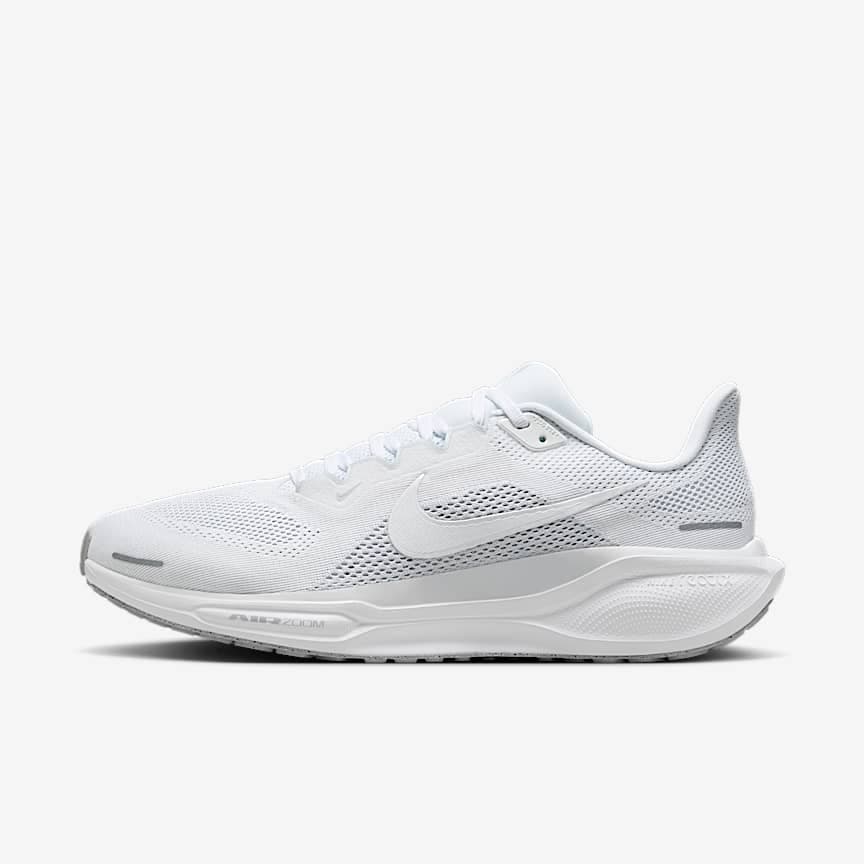
White Nike Pegasus 41 running shoe with Nike swooshNike Pegasus 41Daily running · $129.00
Nike Pegasus 41adidasASICS

Example competitive set · Nike, adidas, ASICS

Citation Rank and Share of Voice
02 · For engineering teams

Get transacted

Give agents a direct path from your catalog to checkout. Authorize payment, create the order and sync inventory in your existing backend. No new storefront required.

Your Shopify backend
01cart_createdpending
02payment_confirmedpending
03order_completedpending

FD2722-102 · US 9 · $129.00

Nike Pegasus 41 · Processing
Agentic checkout

The product tour is an illustrative shopping sequence. Its products, rankings and event values are sample content, not a customer result or a promise that every surface supports the same checkout. Review a live implementation and the limits of your selected integration in the demo.

Evidence before expansion

Inspect a real implementation

The Provogue case study follows an onsite shopping assistant connected to a live catalog. Read the shopper questions, implementation choices and event funnel together. The recorded outcomes show what happened in that deployment; they do not establish what another merchant will achieve.

First-party deployment analytics, 90-day view captured 24 September 2026. The study has no holdout or pre-deployment baseline, so the counts below are not incremental conversion lift.

Read the Provogue case study

4,045

Shopper messages

1,332

Sessions that engaged

6

Settled orders

90 days

Measurement window

From evaluation to pilot

Bring a question. Leave with a scope.

A demo is the place to review fit and identify what needs checking. You can start with your store URL and a shopper problem; credentials and customer records are not needed to book. Before implementation, work through these decisions with your commerce and technical owners.

Choose a shopper task

Write down a question customers actually ask and what a useful answer would let them do. Include a difficult example, not only a best-case request. Pick one category or journey so the pilot has a clear boundary and someone can judge whether the result is useful.

Identify the source of truth

Confirm where product attributes, variant identifiers, inventory, prices and order status live. Note who can grant the required access and who maintains the data. Missing product facts should become a visible preparation task, not a promise that the assistant can infer them.

Agree on success and failure

Choose observable outcomes and their denominators before launch. A completed recommendation, a cart action and a settled order answer different questions. Decide how the experience handles missing stock, uncertain information, failed requests and unsupported actions, and who can stop or adjust the pilot.

Work email and company URL · choose a time after the form · 30 minutes

Before you decide

Questions to resolve together

The right next step depends on your category, platform and the outcome you need to measure. These are useful questions for both the business sponsor and the team that will run the integration.

Start with the buyer problem you can describe and measure. If existing visitors cannot choose a product, evaluate the onsite assistant. If external agents need access to your catalog or checkout, review integration requirements. If you cannot explain the traffic or results, establish a measurement baseline first.

See what a useful pilot would involve

Book a demo Review published case studies